
How to Read Greyhound Form UK

Why the Form Matters

Look: you’re staring at a tote board, numbers flashing, and you’ve got no clue which mutt is worth a punt. The form is the secret sauce, the GPS that tells you which greyhound is on a winning trajectory and which is just chasing its tail.

Decoding the Symbols

First, the basics – the “L” and “W” columns. L stands for “last run,” W for “wins.” A string like “1-2-3” means the dog finished first, then second, then third in its last three outings. Simple, right? Wrong. The order matters, and the distance does too. A win at 480 metres isn’t the same as a win at 640 metres.

Understanding Distance Tags

Here is the deal: distance tags are tiny numbers tucked after the finish position, like “1(5)”. The “5” means the dog won by five lengths – a clear indicator of dominance. Anything under “2” is a squeaker, a dog that barely edged out the competition and might be on the brink of a slump.

Track Conditions

Greyhounds love a good surface. Wet tracks turn a sprint into a slog. The form will note “wet” or “dry” – ignore a dog that shines on dry but flops when the rain hits. By the way, the “track bias” column shows which side of the track is faster; a left-handed dog on a left-biased track is a match made in heaven.

Reading the Trainer’s Record

Don’t just stare at the dog; stare at the trainer. A trainer with a 70% strike rate on a specific track is a gold mine. The form often lists the trainer’s recent stats in brackets, like “(8/2)”, meaning eight runs, two wins. A high win ratio on that track usually translates into a higher chance of a good run.

Betting Odds vs. Form

Odds are the market’s brain, but the form is the market’s heart. If a long-shot has a perfect form, that’s a red flag. Conversely, a favorite with a string of “5-6-7” finishes is a warning sign. The sweet spot is a dog whose form outperforms its odds.

Putting It All Together

Here’s the quick recipe: check the last three finishes, note the distance tags, factor in track condition, and cross-reference the trainer’s success. Then, compare that against the odds. If everything aligns, you’ve got a solid pick.

And if you’re still fuzzy on the details, the ultimate cheat sheet lives at how to read greyhound form UK. Use it, trust your instincts, and place that bet.
ONEROCK

Microcemento de altas prestaciones

Qué es
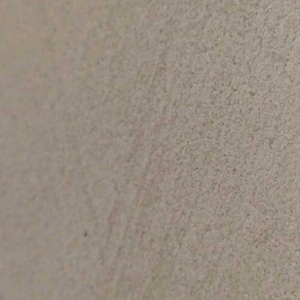
ONEROCK es un sistema de microcemento “ready-to-use” desarrollado por LUNIK, diseñado para crear superficies continuas sin juntas visibles. Su composición avanzada lo hace impermeable, resistente y adaptable a todo tipo de ambientes: interiores, exteriores, suelos y paredes.

Características principales

  • Aplicación por capas: se compone de una imprimación inicial, dos capas de base (ONEROCK L o XL) y una o dos capas de acabado (ONEROCK S o M), selladas finalmente con barniz protector.

  • Impermeabilidad total: a diferencia de los bicomponentes tradicionales, ONEROCK no absorbe agua, lo que lo convierte en una opción ideal para zonas húmedas.

  • Uso universal: válido para revestir suelos, paredes, techos, encimeras y mobiliario, tanto en interiores como en exteriores.

  • Acabado sin juntas: crea una superficie continua, limpia y moderna, perfecta para proyectos de diseño contemporáneo.

  • Resistencia y durabilidad: su formulación asegura gran adherencia y resistencia a la abrasión y al tránsito.

  • Variedad cromática: disponible en 32 colores, elaborados con pigmentos minerales estables a la luz y al paso del tiempo.

Gamas granulométricas disponibles

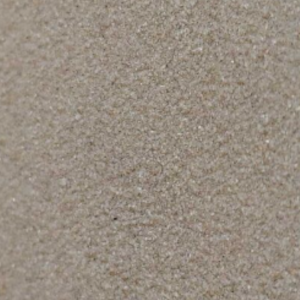
ONEROCK S · Microcemento de grano ultrafino (0,125 mm) con textura muy suave y elegante, pensado como capa final en paredes y superficies decorativas. Ofrece un acabado uniforme y sedoso, con consumo aproximado de 0,3 kg/m² por capa y espesor máximo de 0,3 mm.

ONEROCK M · Granulometría media (0,20 mm) que equilibra resistencia y estética. Ideal para suelos y zonas de uso frecuente, aporta una textura ligeramente más marcada sin perder refinamiento. Consumo medio 0,45 kg/m² y espesor por capa de 0,5 mm.

ONEROCK L · Versión de grano medio-grueso (0,40 mm), utilizada como base o para acabados más naturales. Aporta cuerpo al sistema y excelente adherencia sobre múltiples soportes. Consumo aproximado 0,75 kg/m² por capa y espesor cercano a 1 mm.

ONEROCK XL · Grano grueso (0,60 mm) diseñado para suelos de alto tránsito o exteriores. Genera una textura mineral más visible y una superficie muy resistente. Consumo aproximado 1 kg/m² por capa y espesor máximo de 1 mm.

Dónde se puede aplicar

  • Baños y duchas – totalmente impermeable, ideal para zonas con humedad.

  • Cocinas y encimeras – superficie continua, higiénica y fácil de limpiar.

  • Suelos y paredes de vivienda – acabado moderno, resistente al desgaste.

  • Locales comerciales y oficinas – estética contemporánea y alta durabilidad.

  • Exteriores y terrazas – comportamiento estable frente a cambios de temperatura y humedad.

  • Mobiliario y elementos decorativos – se adhiere perfectamente a madera, cemento o cerámica.

Por qué elegir ONEROCK

ONEROCK combina el diseño y la resistencia de los mejores microcementos con la comodidad de un producto listo para usar.
Su versatilidad lo hace perfecto para renovar espacios sin obras complicadas, ofreciendo un acabado mineral, continuo y personalizable que transforma cualquier superficie en un elemento de diseño.